Showing posts with label free pharmacy discount card. Show all posts

Wednesday, May 28, 2025

What Is the Difference Between Pharmacy Coupons and Rx Cards?

Navigating the world of prescription savings can be confusing, especially when terms like “pharmacy coupons” and “Rx cards” are used interchangeably. While both aim to reduce medication costs, they function differently and serve distinct purposes. Understanding these differences can help you make informed decisions about managing your prescription expenses.

What Are Pharmacy Coupons?

Pharmacy coupons, also known as manufacturer or copay coupons, are discounts provided directly by pharmaceutical companies. They are typically designed to lower the out-of-pocket costs for specific brand-name medications.

Key Features:

  • Brand-Specific: Applicable only to certain brand-name drugs.

  • Insurance Integration: Often used alongside commercial insurance to reduce copayments.

  • Limited Duration: Usually valid for a specific period or a set number of refills.

  • Eligibility Restrictions: Not available to individuals on government-funded insurance programs like Medicare or Medicaid.

How They Work:

Patients can obtain these coupons through various channels, including the drug manufacturer's website, healthcare providers, or promotional materials. Once acquired, the coupon is presented at the pharmacy during checkout, reducing the copayment amount as specified. 

What Are Rx Cards (Prescription Discount Cards)?

Rx cards, or prescription discount cards, are programs offered by third-party companies to provide discounts on a wide range of medications, including both brand-name and generic drugs.

rx cards


Key Features:

  • Broad Applicability: Can be used for various medications across multiple pharmacies.

  • No Insurance Required: Available to both insured and uninsured individuals.

  • Free and Easy Access: Typically free to obtain and use, with no enrollment fees.

  • No Expiration: Most do not have an expiration date and can be used indefinitely.

How They Work:

These cards are provided by companies that negotiate discounted rates with pharmacies. Users present the card at participating pharmacies to receive the discounted price. It's important to note that these discounts are separate from insurance benefits and cannot be combined with insurance coverage. 

Pharmacy Coupons vs. Rx Cards: A Side-by-Side Comparison


Pharmacy Coupons vs. Rx Cards

When to Use Each Option

Use Pharmacy Coupons If:

  • You're prescribed a specific brand-name medication.

  • You have commercial insurance (not government-funded).

  • The manufacturer offers a coupon for your medication.

Use Rx Cards If:

  • You're uninsured or underinsured.

  • You're prescribed generic medications.

  • You want to compare prices across different pharmacies.

Tips for Maximizing Savings

  • Compare Prices: Use online tools or apps to compare medication prices at different pharmacies.

  • Check Eligibility: Ensure you're eligible to use a pharmacy coupon, especially if you're on government-funded insurance.

  • Consult Your Pharmacist: Pharmacists can often help identify the most cost-effective option for your prescriptions.

  • Stay Informed: Regularly check for new coupons or discount card programs that may offer better savings.

Conclusion

Both pharmacy coupons and Rx cards are valuable tools for reducing prescription drug costs, but they serve different purposes and have distinct eligibility requirements. By understanding how each works, you can choose the option that best fits your healthcare needs and financial situation.

Frequently Asked Questions (FAQs)

1. Can I use a pharmacy coupon and an Rx card together?
No, these discounts cannot be combined. You must choose the option that offers the best savings for your situation.

2. Do Rx cards work for over-the-counter medications?
Generally, Rx cards are intended for prescription medications and do not apply to over-the-counter drugs.

3. Are there any hidden fees associated with Rx cards?
Most reputable Rx card programs are free to use with no hidden fees. Always read the terms and conditions to be sure.

4. How do I find out if a pharmacy accepts a specific Rx card?
You can check the Rx card provider's website or contact the pharmacy directly to confirm acceptance.

5. Will using a pharmacy coupon or Rx card affect my insurance deductible?
No, purchases made using these discounts typically do not count toward your insurance deductible or out-of-pocket maximum.

Wednesday, June 19, 2024

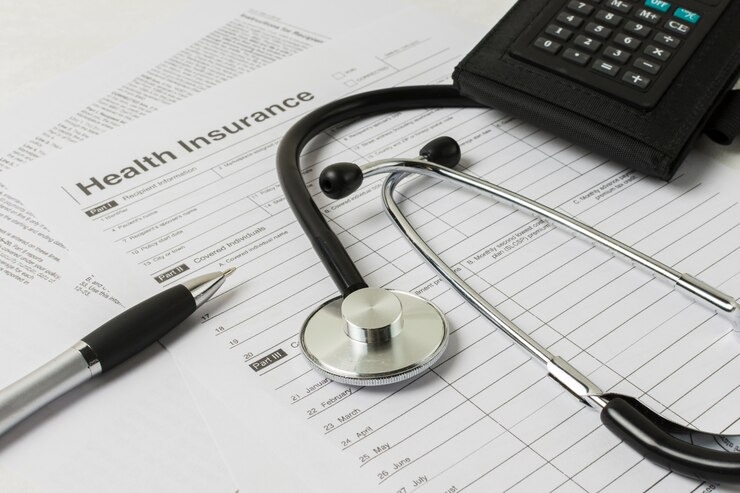
How to Avoid Surprise Medical Bills?

Unexpected bills from physicians not in your health plan network are among the worst nightmares any health consumer would not wish to encounter. This happens when you get hefty bills on medical services that you did not know the provider or service was outside the networks of your insurance. Here are some techniques to prevent these hidden charges and get the best offers on your medications with the help of the best pharmacy discount card when you visit a doctor or a hospital.


Top Tips to Avoid Surprise Medical Bills

Here are a few tips that can help you to avoid any surprise in medical bills:

#1 Understand Your Insurance Policy

Know Your Coverage

The first precaution that one can take to ensure that they do not fall prey to these surprise medical bills is to be very keen when taking out a health insurance policy. Ensure that you recognize the two main proximity types: in-network and out-of-network. Most in-network providers sign contracts with your insurance company with lower rates for service delivery. Out-of-network providers often need to, which can also lead to additional costs on your part.

Maintain a schedule for the review of your own insurance policy documents. In particular, focuses on the concept of covered services, co-payment, deductibles, and out-of-pocket maximums. You should talk to your insurer or a representative if you have questions, and they will be happy to clarify it for you.

Clarify Costs Upfront

In order to be certain of the final amount you’ll pay, you need to seek an estimate before any medical service delivery. Always consult your doctor for a list of possible charges that may be incurred. This should especially be the case if the services are not emergency. You should ensure that your insurance company first approves them. By doing so, students are able to avoid any charges that might accrue later in the future.

#2 Communicate with Healthcare Providers

Ask Questions

When undergoing treatment by a doctor or a hospital, asking questions regarding their payment policy should not be a problem. Confirm if your insurance company is accepted, and if it is, find out if they accept in-house or out-of-house insurance. It is wrong to assume that some services that should be included in treatment, like laboratory testing and anesthesia, will get you covered because the main provider is within the network.

Request an Itemized Bill

After the treatment, ask the clinician to give you a breakdown of the charges. The bill will mention all the charges on separate lines so you can find out whether there are any mistakes or additional costs. Always review the bill closely; if a customer discovers an error or a charge they disagree with, they should contact the billing department.

To know more about Ways to Avoid Surprise Medical Bills, visit our website.

Wednesday, May 22, 2024

Bursting Myths Regarding Online Pharmacies

Did you know that a new health trend, known as online pharmacies, is becoming quite popular these days? So here’s a simple guide to help you understand the myths about online pharmacies. It will help you make wise choices for your health. With rapidly growing online health services, there are some important safety and legal issues with buying medicines online that you should know about.

This guide will discuss these concerns directly, supplying efficient and accessible facts and information. Whether you’re shopping online pharmacy with the best Rx pharmacy discount card or just curious about the results of this trend, we are here to sort out the truth from the lies. Let’s get started. Let us examine the truth about online pharmacies together.


Myth 1: Online Pharmacies are not legitimate

Explanation

Online pharmacies should have a better reputation. They fear that they will end up with fake or dangerous medications. However, that is only sometimes so. Many online pharmacies are as reliable as in real life.

Clarification

Online pharmacies must adhere to strict rules to carry out their business operations. They are held to regulatory standards that ensure they only sell medications that are proven to be safe and effective. These standards cover licensing requirements, quality control mechanisms, and security measures for protecting customer information.

Examples

Most reliable online pharmacies are awarded certifications by trusted organizations like the Verified Internet Pharmacy Practice Sites (VIPPS) program or the National Association of Boards of Pharmacy (NABP). These companies establish strict rules of safety and quality in online pharmacies.

Hence, an online pharmacy website’s VIPPS or NABP seal indicates that the pharmacy has passed the high standards. It is like trusting a product that has a Good Housekeeping Seal or organic certification. These signs prove the pharmacy has been inspected thoroughly and aligns with your safety and well-being.

Myth 2: Online pharmacies sell counterfeit or expired medications

Do you think that what you buy online is a fake or a product that is no longer popular? Let’s settle this. Many people have questions regarding the quality of medicines when purchasing them online. Besides that, well-known online pharmacies would be eager to ensure that what you are buying is what you are getting.

Are Your Meds the Real Deal?

When ordering online, people are expected to be worried about authenticity. They do not want to risk getting fake or expired medicines. But here’s the scoop: Real online pharmacies get their medicines from licensed suppliers and follow strict quality standards.

To know more about Bursting Myths Regarding Online PharmaciesBursting Myths Regarding Online Pharmacies, Visit our website.

Thursday, April 25, 2024

Fall Allergies: Understanding the Seasonal Sneezing

Sometimes frustrating seasonal symptoms such as perennial sneezing cannot be prevented with fall and chilly weather. But what is the real reason behind these annoying allergies? And how do we deal with them productively? In this blog, we will demystify all you should simply know about fall allergies. Whether you are dealing with common symptoms or prevention tips, we have you covered. We'll also share tips on dealing with these allergens and find the best RX discount card for medicine so you can enjoy the beautiful fall scenery without sneezing so much.

If you're curious, keep reading to learn how to handle fall allergies effectively.

What Causes Fall Allergies?

In the fall, allergies happen because of three main things: pollen from ragweed plants, tiny mold bits from rotting leaves, and dust mites that wake up when you turn on your heater after a long time.

1.    Ragweed Pollen

At this stage, most of us experience fall allergy symptoms more frequently. Ragweeds are very popular pollinators and prolific enough to produce as many as a billion pollen spores during the season.

2.    Mold Spores

Besides the wet conditions, fallen leaves create a perfect environment for mold growth, which releases spores into the air and irritates your respiratory system.

3.    Dust Mites

When the heaters start, dust that accumulates during warm weather gets disturbed, as well as dust mites, which are one of the common allergens and worsen signs and symptoms in people who get allergic.

These allergens are specific to the weather, primarily affecting temperature and humidity, which can increase or decrease their presence in our ecological landscape.

Common Symptoms of Fall Allergies

The manifestations of autumn allergies may resemble the common cold; hence, they may be difficult to differentiate. Typical signs include:

-        Sneezing

-        Runny or Stuffy Nose

-        Itchy Eyes, Mouth or Skin

-        Fatigue

If you observe these symptoms without any fever, it usually means that there is irritation rather than cold.

Who is at Risk for Fall Allergies?

Anyone can develop an allergy, though allergies are twice as common among children and adults with a family history. People who have asthma are even more prone to attacks because allergens play a crucial role in facilitating attacks.

Diagnosis and Testing

Visit your doctor when you have fall allergies or doubts about whether you might be suffering from the allergies. Doctors typically use two tests:

1.    Skin Prick Tests

Usually, the doctor or nurse places small amounts of the substance you are possibly allergic to on your skin, either on your forearm, upper arm, or back. After that, we softly scratch the skin and push the substance under the skin. On the contrary, a small red bump will appear, proving the allergy's existence.

2.    Blood Tests

By checking for how many antibodies react to certain allergens in someone's blood, we can determine whether the person is allergic to something.

Treatment Options for Fall Allergies

There are different ways to help with fall allergies and make you feel better:

  1. Medications: You can buy medicine from a pharmacy or a doctor to prevent sneezing and itching. Nasal sprays and medicines for congestion can also make your nose feel less blocked.
  1. Home Remedies: A humidifier will help create humidity, relieving dryness and discomfort. Another good idea is to gargle and rinse your nose with saline solution to flush away allergens efficiently.

Before you start any new treatment, consulting a doctor should be your priority. They will make sure it's well and fine with your health issues.

Preventative Measures to Reduce Exposure

To minimize your exposure to allergens:

1.    Keep Windows Closed

To avoid the inhalation of pollen, shut all windows on days of high pollen counts and turn on your car's or home's air conditioner.

2.    Air Purifiers

Using a HEPA filter air purifier helps you grab allergens.

3.    Regular Cleaning 

Vacuum and dust frequently to prevent the buildup of irritants such as dust mites and pet hair.

When to See a Doctor

It’s essential to consult a doctor if:

-        Symptoms are severe or don’t improve with over-the-counter medications.

-        You experience wheezing or shortness of breath.

-        Allergy symptoms make it difficult to function in day-to-day life.

Future Outlook and Resources

Allergy treatments progress, and there is a better awareness of the environmental aspects. That is why it is easier to manage fall allergies. The help an individual may need resources with support from either online forums or national allergy societies that give information and counseling.

Conclusion

Ultimately, grasping and overcoming the fall allergy is essential for the ultimate delight of the season, free of pain. By becoming aware of the signs and identifying the sources of exposure to allergens such as ragweed and mold, you can take measures to minimize exposure to these allergens with the help of a free prescription discount card. Eco-friendly practices like keeping the windows closed, air purification, and timely cleaning promise to help substantially. If these symptoms are not balanced, you can make an appointment with a doctor to create your optimal treatment regimen. Don't get in the grip of fall season allergies; take charge of your health this autumn for a beautiful experience.

On this path, maintain a healthy lifestyle with proper medication and get great deals (up to 85% less) on popular and regular medicines! Show our special Rx pharmacy discount card and save money for your whole family and pets.

Tuesday, April 23, 2024

Natural Ways to Treat Nerve Pain

Nerve pain, known as neuropathic pain, can cause pain, making it difficult to do daily activities. It is the outcome of injuries, diabetes, or other issues. But don’t be scared; we will be here to help you! Here, you will find how to improve your life by doing simple things. We will discuss straightforward lifestyle changes, herbs, and medical doctors’ treatments. Say goodbye to feeling bad all the time and discover how to start to feel good and happy with the best prescription discount card. Okay, let’s be creative and see how we can make each other feel better.

Understanding Nerve Pain

Knowing the nature of the nerve pain is essential to deal with pain and bring about general improvement effectively. Here’s a simplified breakdown:

Anatomy of the Nervous System

  • The nervous system is like a messaging system in your body. It sends messages between your brain and the rest of your body.
  • There are two parts: the main part (brain and spinal cord) and the outer part (nerves everywhere else).
  • Nerves are like wires that carry signals. They help you feel things and move around.

Types of Nerve Pain

  • Neuropathic pain that arises from damaged nerves can present in many different ways.
  • It could be that nerve damage or malfunction is the cause rather than an actual injury to the tissues to which they are connected.
  • The most common symptoms are shooting pain, burning, and numbness.
  • Nerve pain can occur only in one region or cover the whole nerve path.

To know more about How to Relieve Nerve Pain, Visit our website.

Tuesday, April 16, 2024

How to Maintain Your Good Habits Throughout the Holidays

“Did you know that the average person consumes about 3,000 to 4,500 food calories during a regular holiday meal? However, you can still achieve your health objectives with several effective strategies. Supporting a healthy lifestyle during the holidays is not a walk in the park, but coupled with routine, it is attainable. Here, we will discover simple and practical ways to maintain your healthy habits with the best pharmacy discount card. Whether you prefer keeping active, making thoughtful food choices, or just managing stress, we can help. Know the practical tips and easy-to-incorporate techniques that anyone could make part of their holiday plans and stay healthy and happy throughout the holiday season.


Let's make this holiday season a true one of joy and well-being!


Understanding the Holiday Health Struggle


When celebrating holidays, healthy habits can be the toughest one to keep. Distraction by something sweet or busy schedules makes it hard sometimes. Holidays squeeze our bodies and minds, causing us physical and mental health problems. Society and culture foster preferences that can result in too much indulgence, making it challenging to control undesirable selections. This is the first step in solving these problems. Knowing the seasonal health battle in advance can help us prepare for the winter holidays with a clear head and strong will. Therefore, let us explore some challenges, how stress affects us, and what pressures we face to make healthier decisions during this festival.


Strategies for Staying Fit


During the holidays, we can sometimes fall into the routine of chaos and noise, which can harm our wellness. These humble techniques will help you stay healthy and focused as you enjoy the celebrations.


Prioritize Self-Care


1.    Get Enough Rest


Sleep adequacy and proper stress management are key during such a busy period. Ensure you get the sleep you need to rest and endure pressure.


2.    Find Time to Relax

In this process of holidays, it is crucial to create moments for you. Besides relaxation techniques like deep breathing or meditation, use them to help manage stress and relax.


To know more about How to Keep Up with Healthy Routines During the Holidays, visit our website.

Thursday, April 4, 2024

Guide to Detect Skin Cancer Signs

Do you have an idea of the fact that skin cancer is the most common type of cancer that occurs through high frequencies? But here’s some good news: the sooner you pick it up, the simpler it will be to deal with it. We will show you an easy way to inspect your skin, detect any changes that might mean danger, and avoid them with the help of an Rx prescription discount card. This is all about you, maybe without your awareness, even if you do not like sunshine. You can maintain good health by becoming familiar with what you need to look for and conducting self-checks. We’ll first take a step and learn ways that could save people’s lives!


Understanding Skin Cancer

Understanding the types and risk factors that may contribute to skin cancer’s growth is essential when dealing with it.

1. Melanoma

Skin cancer, known as melanoma, is the cause of the change and wrongful growth of pigment-producing cells called melanocytes. A mole may look new or be changing.

2. Basal Cell Carcinoma

It is usually present in areas of the body that receive sunlight, such as the neck and face. It often looks like a gray, glassy button or pink skin.

3. Squamous Cell Carcinoma

This generally occurs in sun-exposed body areas, such as the face, ears, and hands. It can be a round nodule or a flat sore with a crust over it.

When it comes to risk factors

1. Sun Exposure

Continuous exposure to UV radiation is a significant factor in developing skin cancer. This risk is accentuated by unprotected living outdoor conditions, especially during solar noon.

2. Skin Type

Individuals with lighter complexion have a greater danger of growing skin cancer than people with darker tones of skin color. Indicators of such risk include past instances of sunburn or the presence of freckles.

To know more about how to detect Skin Cancer Signs, visit our website.

Tuesday, March 19, 2024

Chemotherapy v/s Immunotherapy

Out of the multiple approaches for cancer treatment, the two most known and preferred ones stand out for their efficiency and effectiveness: chemotherapy and Immunotherapy. While both of these aim to fight cancer, they operate through different mechanisms, each having its unique outcomes and challenges.

Chemotherapy, a basic ground in oncology for decades, works on using or applying cytotoxic drugs to directly target and stop the rapid growth of cancer cells. On the other hand, Immunotherapy works more into the body’s immune system, increasing its capabilities to recognize and destroy cancer cells.

Understanding the differences between these two primary treatment approaches is essential for experts and patients, as it helps provide a deeper understanding and more informed decisions.

If you wish to get deeper into the concept, you can plan on booking a professional consultation for the right and detailed consultation. And for your prescription medicines, carry your free Rx discount card to save on costs.

What is Chemotherapy?

Chemotherapy is more of a traditional form of cancer treatment that involves the use of cytotoxic drugs to prevent the growth of cancer cells rapidly. These drugs aim at various cell cycle stages, preventing the cancer cells from growing quickly and leading to death.

Chemotherapy stops cellular processes, such as DNA replication and cell division. By restricting these processes, chemotherapy drugs result in those targeted cells dying.

However, a significant disadvantage of chemotherapy can be that the treatment does not differ between cancer cells and healthy ones. The targeted area during the treatment, the targeted area destroys healthy cells, directly affecting one’s cell growth, cellular processes, and immune system. Because they also affect healthy cells, such as bone marrow, gastrointestinal tract, and hair follicles, chemotherapy often leads to many side effects, such as bone marrow suppression, nausea, vomiting, hair loss, lack of energy, and fatigue.

Despite its side effects, chemotherapy remains an important consideration in cancer treatments due to its ability to shrink tumors and improve survival rates in many cancer types. It is mainly preferred and used as the first step towards treatment, along with surgery, radiation therapy, or other treatments to increase its efficacy.

What is Immunotherapy?

Immunotherapy, on the other hand, aims at using the power of the body’s immune system to recognize and destroy cancer cells. Unlike the earlier methods and a step ahead, Immunotherapy focuses on using the strength one already contains in one’s body to fight cancer.

Unlike chemotherapy, which directly targets cancer cells, Immunotherapy increases an individual’s immune response against cancer. The immune system has different processes that help identify and destroy abnormal cell growth in the body, including cancer cells.

One drawback of Immunotherapy is that the cancer cells may not be detected during the immune recognition search because they may contain certain proteins that are not expressed during the search or even hide themselves as normal cells.

To know more about the Difference Between Chemotherapy and Immunotherapy, visit our website.

Tuesday, January 23, 2024

Steps to Transfer Prescriptions to New Pharmacy

If you’ve changed where you live, found a more convenient pharmacy, or want better services, moving prescriptions is something lots of people do. In this simple blog, we’ll show you each step, making it easy for your medicines to switch places. Learn what info you need, understand pharmacy rules, and choose a new pharmacy wisely. We’ll give you useful tips to make it easy and talk about problems you might face. Stick with us to learn about syncing prescriptions, insurance, the best prescription discount card, and more. Let’s make moving prescriptions easy and stress-free together!


Understanding the prescription transfer process

When you need to move your prescriptions to a new place, it’s important to know how things work so it goes smoothly. Here’s a simple guide to help you through this part of taking care of your health:

1. Talk to your current pharmacy

  • Get the important info: Before moving your prescription, make sure you know what it is and your current pharmacy’s name and contact info.
  • Understand the rules: Different pharmacies have different ways of doing things, so it’s good to know what they are.

2. Pick a new pharmacy

  • Look around: Find a new pharmacy that fits what you need and like. Think about where it is, when it’s open, and what extra services it offers.
  • Check insurance: Make sure the new pharmacy takes your insurance so you don’t have any surprise costs.

3. Start the transfer

  • Fill out forms: Most pharmacies will ask you to complete a form to move your prescription. Have the details ready to make it easy.
  • Tell your doctors: Keep your doctors informed about the switch, especially if you take more than one medicine.

Knowing these basic steps will help you handle the prescription move without problems. If you stay on top of things and know what’s happening, changing to a new pharmacy that’s better for you will be a breeze.

To know more about how to transfer prescription to another pharmacy, visit our website.

Monday, December 11, 2023

Flonase: Everything You Need to Know

Are you tired of the constant sneezing, itchy eyes, and that nagging feeling of congestion ruining your day? Seasonal allergies can make you feel depressed. About one-quarter (25.7%) of adults in the USA suffer from seasonal allergies, but don’t worry! There is a ray of hope that goes by the name of Flonase.

If you’re curious to know more about Flonase, you must read this guide. We have explained everything you need to know about Flonase (Fluticasone Nasal), the wonder medicine. It will help you find relief from those pesky allergies and breathe easy.

Additionally, you can use the FREE Rx discount card to buy Flonase and other prescribed medication to save money.


What is Flonase?

Flonase is a widely recognized brand of the medication Fluticasone Nasal. It provides relief from allergic rhinitis symptoms, such as itchy or watery eyes, runny or stuffy nose, and sneezing. The active component, fluticasone propionate, is a corticosteroid that helps reduce inflammation and other allergy-related symptoms in the nasal passages. But, before you rush to the pharmacy, there are some essential things you should know.

What is the most essential information about Flonase (Fluticasone Nasal)?

First, always follow your doctor’s prescription and the instructions on the label when using Flonase. While it may bring relief, it’s crucial to remember that it’s not a one-size-fits-all solution. Your healthcare provider will recommend the correct dosage based on your needs and health conditions.

One key point to remember is that Flonase is not an instant fix. You may not experience immediate relief, and it might take a few days before you start to feel better. Patience is the key here. If your symptoms persist after several days of proper use, it’s time to consult your healthcare provider again.

A burning question you might have is, “Is Flonase habit-forming?” The good news is that it’s not. Flonase is non-addictive, which means you can use it without worrying about developing a dependency.

What are the side effects of Fluticasone Nasal?

Like any medication, Flonase can have some side effects, although not everyone experiences them. Common side effects may include nosebleeds, headache, and throat irritation. These are usually mild and tend to go away on their own.

However, in some cases, Flonase can cause more severe side effects. If you experience any of the following, seek immediate medical attention:

  • Severe or ongoing nosebleeds
  • Sores or white patches in your nose or throat
  • Vision problems, such as blurred vision
  • Fever, chills, body aches, or flu-like symptoms
  • Worsening allergy symptoms

It’s essential to remember that your healthcare provider has prescribed this medication because they believe its benefits outweigh the risk of side effects. But if you have any concerns, you must contact your healthcare provider.

Now that you’re aware of the vital information regarding Flonase, let’s explore a few other aspects to ensure your journey to relief is smooth and effective.

To know more about Flonase, visit our website.

Before the Pharmacy Counter: Free Prescription Discount Card Guide

Walking into a pharmacy with a prescription usually feels pretty routine. You hand over the prescription, wait a few minutes, and then find ...